King Mojo was a teenage club on Pitsmoor Road, Sheffield, open between 1964 and 1967. In just four years, it became one of the most influential music venues of its era, providing some of the earliest UK stages for artists who would go on to shape global popular culture.
Performers at King Mojo included Stevie Wonder, Ike & Tina Turner, The Who and Jimi Hendrix. At a time when opportunities for Black American artists to perform in the UK were limited, King Mojo welcomed diverse performers and audiences, helping to break down social and racial barriers through music. For many young people in Sheffield, it offered a powerful connection to new sounds, styles and a wider world.
A venue rooted in community
The club was opened by Peter and Geoff Stringfellow in 1964 and operated in a neighbourhood that remains one of the most deprived in the city. Despite this, King Mojo played a vital role in fostering community cohesion, bringing people together across cultural and social divides. Its impact far outweighed its size, yet its story has never been fully documented.
Why this project exists
Mojo Rising – Celebrating 60 Years of Music and Community exists to change that.
Supported by a £114,300 grant from The National Lottery Heritage Fund, the project marks sixty years since King Mojo first opened and seeks to preserve the memories, music and meaning associated with the venue. It focuses on capturing first-hand stories from those who experienced King Mojo directly — former club-goers, musicians and others whose lives were shaped by what they encountered there.
Working together to preserve the story
The project is being delivered by the Mojo Heritage Collective, with support from partners including SADACCA, Sheffield Live and Dirty Stop Outs Ltd. Volunteers, artists, designers and academics are working together to co-create a wide range of public outcomes, including exhibitions, events and digital experiences.
What the project will create
Planned activities include a full-colour commemorative book, a documentary film, a series of podcasts and oral history recordings, a 3D digital recreation of the venue, a new mural, a travelling exhibition, and a dedicated website and social media archive. Volunteers will receive training in interviewing, research and heritage skills, ensuring that the project also builds capacity and confidence within the community.
More than a club, King Mojo was a cultural lightning rod — a place where music, identity and opportunity collided. Mojo Rising ensures that its legacy is no longer reliant on fading memories alone, but recognised, preserved and shared as an important part of Sheffield’s social and musical history.
Story Of Iconic Sixties Club Being Recorded By Those Experienced It First Hand
Three former King Mojo regulars are now leading the effort to record the memories of the legendary 1960s’ Sheffield music venue – capturing first-hand stories from those who were there.
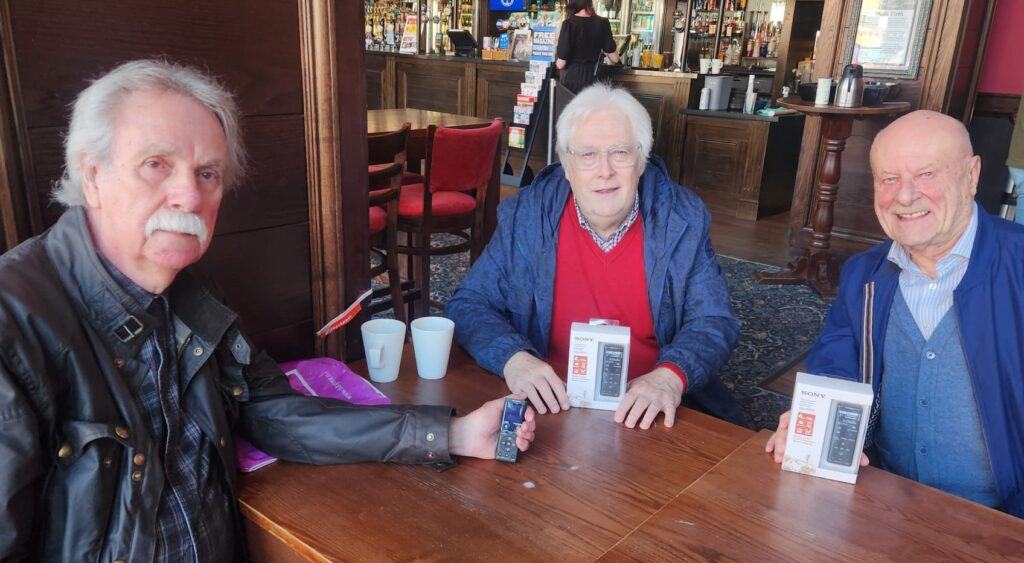
Dave Manvell, Greg Heap and Michael Bell have received training in interview techniques and how to use recording equipment, and are now heading out across the region to record oral histories from fellow Mojo-goers.
All three experienced the famous Pitsmoor teenage club themselves, bringing a unique understanding and shared connection to the interviews they are now carrying out.
Equipped with new digital recorders, the volunteers will capture memories of the music, the atmosphere and the nights that made King Mojo one of the most talked-about venues in 1960s northern Britain.
The initiative forms part of a wider heritage project marking the 60th anniversary of King Mojo, supported by a £114,300 award from The National Lottery Heritage Fund. The two-year programme is capturing memories, researching archives and sharing the club’s legacy with new generations.
King Mojo opened in 1964 when Peter and Geoff Stringfellow transformed a former ballroom at 555 Pitsmoor Road into a teenage club that quickly became a magnet for young music fans. Over the next four years, it hosted artists who would go on to become global stars, including Stevie Wonder, Ike & Tina Turner, Jimi Hendrix, The Who and Small Faces.
Project manager Neil Anderson said: “This is about capturing history at its most personal level. These are the people who were on the dancefloor, who felt the energy of those nights, and who can bring that story to life in a way no archive ever could.
“What makes this particularly powerful is that our volunteers are part of that story themselves. There’s an immediate trust and understanding when they sit down with someone – and that’s when the real memories come out.”
The recordings will form part of a growing digital archive, helping to ensure that the voices of those who experienced King Mojo first-hand are preserved for future generations.
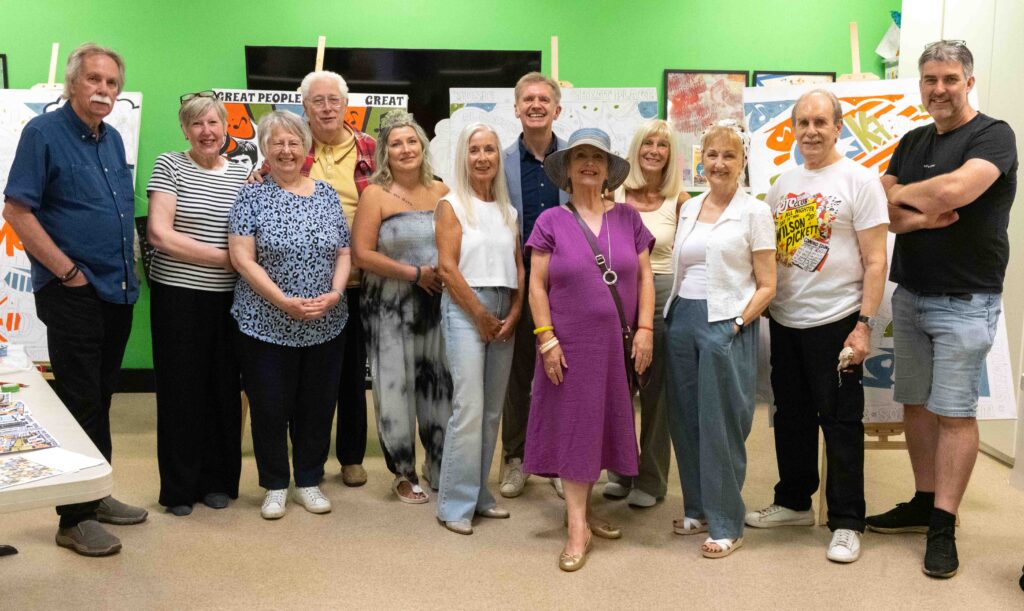
Former King Mojo-goers Help Create Community Mural Celebrating Sheffield Music Legend
Around 20 former King Mojo club-goers have helped create a major new artwork celebrating one of Sheffield’s most influential music venues after a hugely successful community painting session at Weston Park Museum.
Original King Mojo artist Paul Norton returned to work alongside Sheffield artist Angie Hardwick as former club regulars and music fans picked up paintbrushes, shared memories and became part of a lasting tribute to the legendary Pitsmoor venue.
Throughout the afternoon, stories flowed as freely as the paint. Old friends were reunited, unforgettable nights at the club were remembered and visitors watched memories stretching back more than 60 years become part of a permanent artwork celebrating King Mojo’s extraordinary legacy.
The mural has evolved over recent weeks through ideas and memories contributed by former Mojo-goers and members of the public, making it a truly community-created piece.
The finished artwork will receive its public unveiling at Attercliffe’s Library venue this autumn as part of our Mojo Rising – Celebrating 60 Years of Music and Community, a two-year heritage project supported by The National Lottery Heritage Fund.
The project continues to preserve not only the history of King Mojo itself, but also the memories, friendships and stories that made it such an important part of Sheffield’s cultural identity.
Mojo Returns To Burngreave
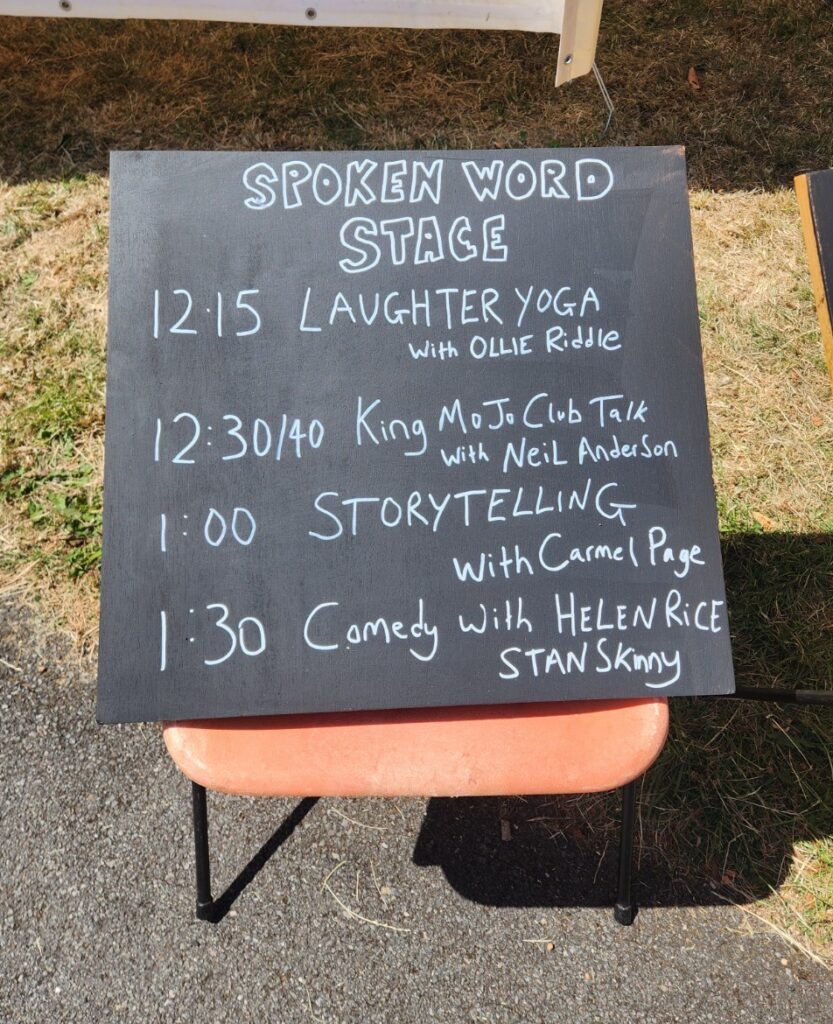
Today was our first King Mojo talk in Burngreave – in Abbeyfield Park, just a stone’s throw from where the legendary club once stood.
It felt rather fitting to be talking about King Mojo in the community that gave it life.
One of the highlights was meeting a former Mojo regular who was in the audience and lives in the area. She smiled as she remembered having to tell her parents she was going somewhere else before sneaking off to the club. She vividly described the atmosphere, the artists and how the club was often wrongly perceived by the media. Sixty years on, those memories are still as vivid as ever.
It’s stories like these that make this project so special. Every conversation uncovers another piece of Sheffield’s social history that might otherwise have been lost.
There was a wonderful level of interest today, and it reinforced just how much King Mojo still means to people in Burngreave.
We’ll be back in the area soon with dedicated events as the project continues, so keep an eye out for details. We’d love to see you there.