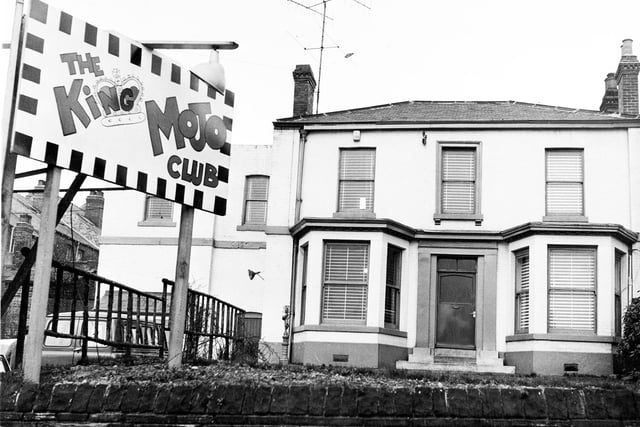
From a Victorian family home to a dance hall, and finally to the birthplace of the Mojo, the building’s history is as layered as the music and memories it would later contain.
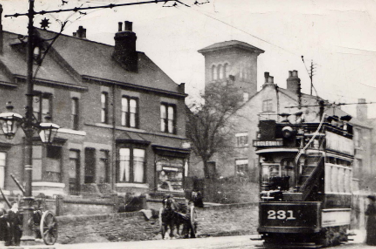
This photograph dating from around 1900 shows the building in its earliest form, complete with a distinctive tower.
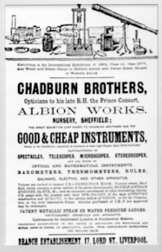
Built in the 1860s by optician Wright Chadburn as a family home, the property reflected the success of the Chadburn brothers’ business. They manufactured and sold spectacles, telescopes and microscopes, and were even suppliers to Prince Albert.
It’s thought the tower may have been used by clients to test telescopes — a striking feature that would later become part of the building’s identity.
The Chadburn family left in the 1890s. Over time, the surrounding area changed dramatically. A neighbouring house was destroyed during the Sheffield Blitz of 1940, creating an open space that would later become the Mojo car park.
The tower itself was reduced by two storeys sometime between 1942 and 1950, likely due to structural damage dating back to a Zeppelin raid in 1915 and later wartime destruction.
Before the Mojo existed, the building had already served as a dance hall – known as Dey’s Ballroom and School of Dance.
It was a large Victorian house with a purpose-built sprung dance floor, a stage and coffee bar at one end of the main room
Dave recalls a key moment that would change its future:
“Peter Stringfellow met Ruben Wallis, the building’s owner, at the Blue Moon Club. Wallis suggested turning the former dance hall into a club. The asking price was £5,000 – beyond Peter’s means — but an agreement was reached to rent the property for £30 a week.”
From that point, the Mojo began to take shape.
The club opened in 1964.
The building itself was far from pristine, but that only added to its character. Inside, Peter Stringfellow transformed the space into something entirely new.
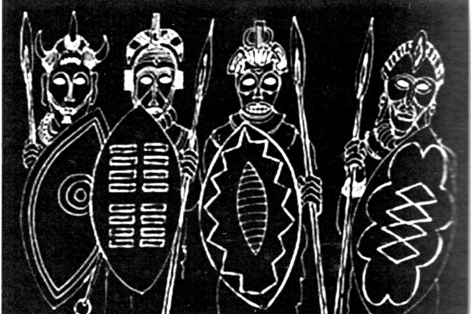
The ballroom’s sprung wooden floor was already perfect for dancing. Peter painted the walls with large African warriors. Mirrors were used for the eyes, creating a striking effect when the lights hit them.
The club didn’t serve alcohol. Coffee and soft drinks were served from the bar.
The Mojo was very much a family-run operation, with members of the Stringfellow family involved in its day-to-day running.
Peter Stringfellow later reflected:
“There were certain stipulations in the lease. We agreed to keep the pictures of the Queen and Duke of Edinburgh on the walls and not to touch the Steinway grand piano.”
The name ‘Mojo’ itself came from hearing Long John Baldry perform ‘I’ve Got My Mojo Working’ at the Blue Moon Club.
As the club evolved, so did its look.
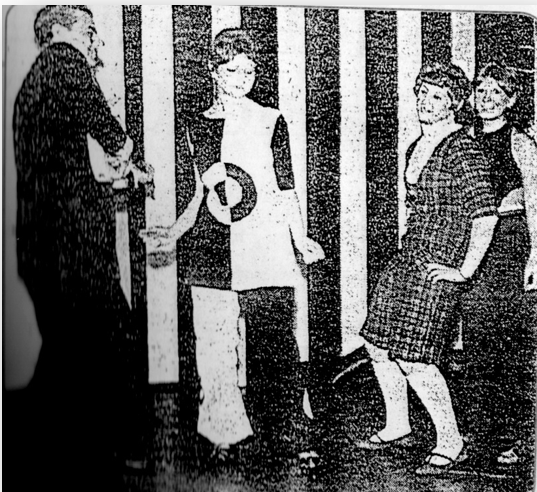
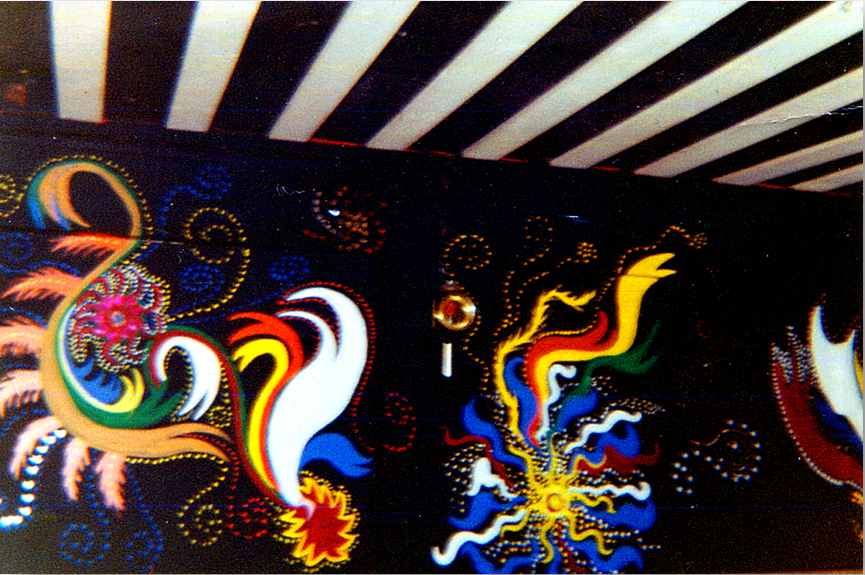
The original African warrior murals were eventually replaced with bold black and white stripes – even extending to the grand piano, much to the displeasure of owner Ruben Wallis.
This photograph from 1965 shows Sheffield’s Lord Mayor dancing at the club, with the striped décor clearly visible – a sign of how far the Mojo had come from its original form.
The other image captures Peter with the striped walls behind him, while the Mojo sign could be seen near the cloakroom entrance.
In 1966, the club underwent another transformation.
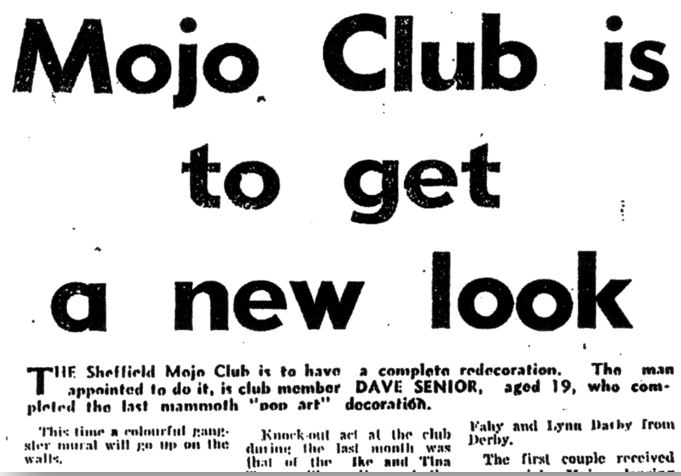
Peter asked Dave Senior to redesign the interior with a gangster theme, continuing the Mojo’s tradition of constant reinvention.
Each phase gave the venue a new identity, keeping it fresh and unpredictable — much like the music being played inside.
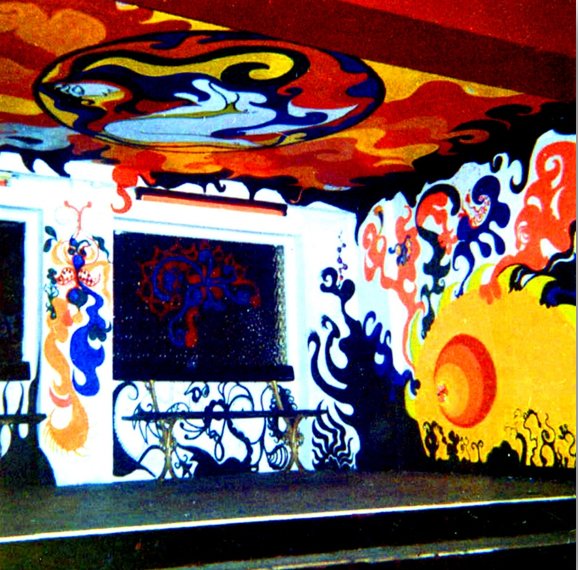
As the decade progressed, the Mojo entered its psychedelic phase.
The décor shifted again, this time embracing colour, abstraction and the influence of the wider counterculture movement.
Much of this work came from three art school students:
Sue Barfield, Julie Shrivastava and Alanah Hatfield
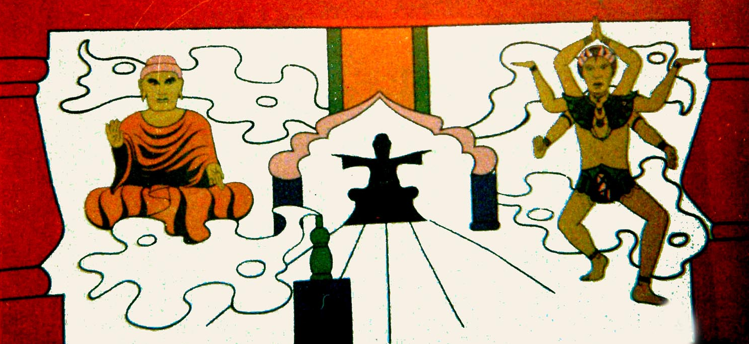
Alongside them, artist Paul Norton introduced eastern-inspired imagery and vibrant colour, including pieces such as the “Floating Buddha”.
Their work helped transform the club into an immersive visual environment, matching the changing sounds of the late 1960s.
The Mojo stage itself was small – raised only around 12 inches from the floor.
That closeness defined the experience. Audiences could stand right next to the performers, something Dave remembers vividly.
“That’s how close you could get. That’s how I managed to stand by Hendrix all night.”
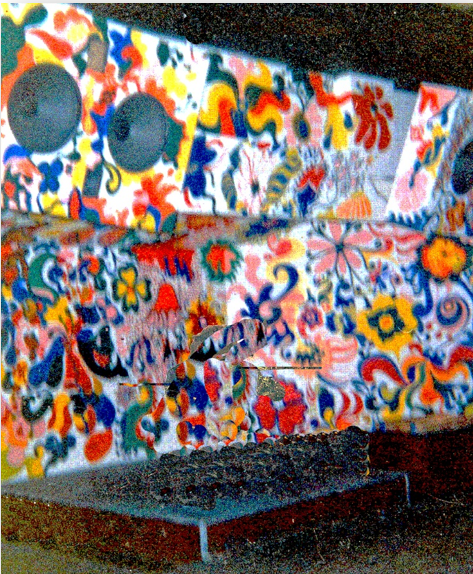
The club’s sound system was equally important. Large speakers from the FAB sound system (clearly visible on the photo) were created by Joe Cocker’s keyboard player Chris Stainton.
As the Mojo moved into its later period, its visual identity changed dramatically. The sharp lines of the Mod era gave way to something more fluid, colourful and experimental.
Artist Paul Norton played a key role in that transformation.
He introduced eastern-inspired imagery and bold colour into the club’s interior. His work reflected the wider cultural shift of the late 1960s, drawing on influences from Indian art, spirituality and the emerging psychedelic scene.
Figures such as his ‘Floating Buddha’ became part of the visual landscape of the Mojo, helping to maintain an environment that was as much about atmosphere as it was about music.
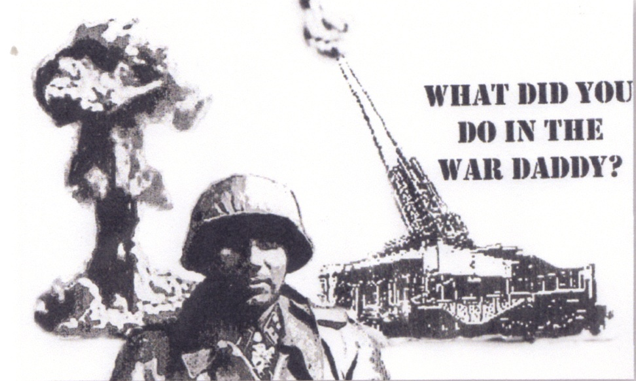
The ‘What Did You Do in the War, Daddy?’ adorned the wall in the later months, reflecting the strong anti-war sentiment among young people at the time. It echoed the mood of a generation increasingly shaped by the threat of nuclear conflict and the ongoing war in Vietnam.
Music played a key role in expressing these feelings. Protest songs such as Barry McGuire’s ‘Eve of Destruction’ were regularly played at the Mojo, alongside ‘What Have They Done to the Rain’, written by Malvina Reynolds and popularised by artists including The Searchers. Together, they captured the growing sense of unease and opposition to the Vietnam War shared by many of the club’s regulars.