A central part of the King Mojo project is the collection and preservation of first-hand memories from those who experienced the club first-hand. While photographs, posters and press coverage help tell part of the story, it is personal recollections that truly capture what King Mojo meant to the people who went there. We are actively encouraging former punters, musicians, staff and anyone with a connection to the venue to share their memories, stories and reflections. These accounts will help build a richer, more human record of King Mojo’s place in Sheffield’s cultural history and ensure that lived experiences are not lost with time. Memories can be sent directly to the project by email and will form a vital part of the archive, exhibition and wider legacy of the project. Click here to email.
John Newsam remembers the Mojo
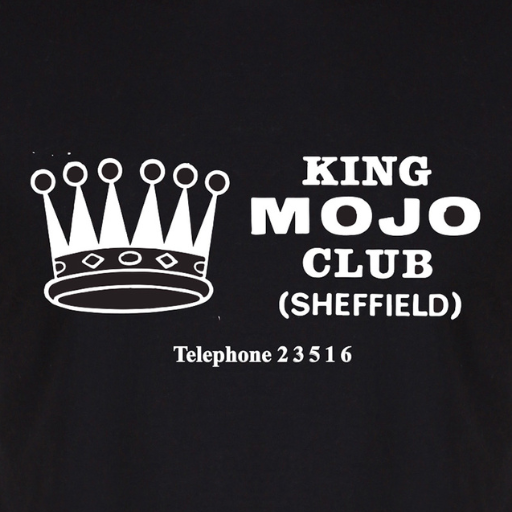
Before it became widely known as King Mojo, the venue was simply the Mojo – the name used by the people who were there at the time. The ‘King’ moniker and crown logo only came later, as the club began to change towards the end of its life.
For John Newsam, the Mojo was about more than just music – it was about staying ahead of the curve.
“I remember me and friends going to London to buy the latest clothes from Carnaby Street to wear at the Mojo. Fashion changed almost weekly, so we wanted the trendiest outfits. We also went to clubs in London, mostly The Flamingo on Wardour Street, to learn the latest dance trends that we could bring back to the Mojo.”
The club itself offered something you simply couldn’t find elsewhere in Sheffield.
“People kept going because of the latest music – black American RnB and imports. It was the only place locally to hear that type of music. Plus, you got to see people wearing the latest fashion.”
At its peak, the atmosphere was electric.
“At its best it was trendsetting and vibrant – and everyone knew everyone.”
John usually went with a close-knit group of friends.
“I went with a crowd of male friends. Everyone was friendly and knew everyone.”
The sound of the Mojo was just as distinctive as the crowd.
“Black American RnB music and Motown. The stage was small and packed with instruments – saxophones, organ, guitars – leaving hardly any room for the singers.”
One of the standout memories was being part of the famous Ready Steady Go! trip.
“When I went to Ready Steady Go! we got a badge with Sheffield on it. I can’t remember the singers – I was too busy trying to get behind them so I’d be on camera. I went to a friend’s house the next day to watch it on ATV and saw myself a few times – dancing and watching the singers. I’ve always wondered if there’s a copy of that recording somewhere.”
There were also unforgettable live moments at the Mojo itself.
“I remember seeing Jimi Hendrix playing guitar with his teeth and thinking it was a stupid gimmick – not the usual Mojo music. But I was impressed seeing Stevie Wonder – I was right next to the stage, looking at his closed eyes up close.”
John also had a clear view of how the club was run.
“Pete Stringfellow was successful and knew exactly what us youngsters liked music-wise. He kept to his own clique and had no idea who most of the crowd were.”
As the 1960s moved on, the Mojo began to change.
“Towards the end it got a bit flower power. The crowd was getting younger – and I was getting older.”
Despite that, its importance never faded.
“The Mojo was a big part of my life for around three years.”
And for John, being a Mod was about more than the stereotype.
“I was a Mod and never had a scooter – neither did my friends. Being a Mod was about fashion and music. We had cars – we needed them to drive to London, and we also went to the Twisted Wheel in Manchester.”
From Mojo to King Mojo
When the club first opened, it was simply known as the Mojo.
That was the name used by those who went there at the time – “going to the Mojo” became part of everyday language among Sheffield’s young music fans. It reflected a place built around rhythm and blues, sharp fashion and a tightly connected scene.
The addition of “King” came later, towards the latter half of the club’s life, along with the now-familiar crown motif.
Peter Stringfellow himself later revealed that the crown had been borrowed from a rival venue – the Esquire on Leadmill Road.
“The crown on the Mojo logo, I nicked that off the Esquire. They had it over the ‘E’ in Esquire, so when it became the King Mojo I put an advert saying ‘now I reclaim the Crown’.”
It was a typically bold move, rooted in the fierce rivalry between Sheffield’s clubs at the time. But it also marked a clear shift in the venue’s identity.
By this point, the Mojo was changing. The sharp-edged Mod culture that had become prevalent was giving way to something looser and more experimental. Music, fashion and atmosphere were evolving rapidly, and the club moved with them.
For those who were there at the beginning, however, it remained simply the Mojo — a name that captured a particular moment in time before everything started to change.
Dave Manvell recalls how the club’s identity was regularly shaped collectively from the very beginning.
“Peter asked us to bring in objects which we thought related to ‘Mojo’. Lots of people brought dolls, which he pinned to the wall behind his record deck.”
It was a small detail, but one that captured the spirit of the place – informal, creative and driven by the crowd as much as the owners.
Des Pejko remembers the Mojo
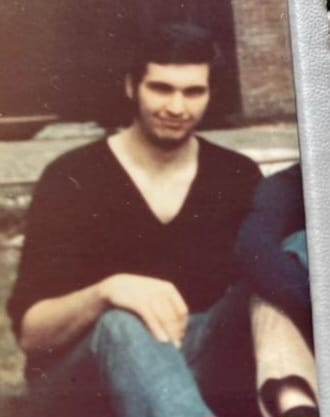
Des Pejko in 1967
For Des Pejko, the Mojo opened the door to a new world of music.
Growing up in Rotherham, he was introduced to soul music by older boys at school who shared records by The Impressions and Curtis Mayfield. Before long, he was making regular trips to Sheffield to experience the Mojo for himself.
“They showed me some albums from The Impressions and Curtis Mayfield. I loved it. They said, ‘Come with us,’ and that’s how I got into it.”
Getting there usually involved a bus journey from Rotherham, although occasionally he travelled on the back of a scooter.
“I was six foot four at 14 or 15, so it wasn’t the most comfortable ride, but I enjoyed it.”
Des remembers the club as warm, crowded and full of energy.
“It was hot, lively and the music was excellent. There were people dancing near the stage and people all around the edges.”
Unlike later years, he recalls the club being relatively plain inside.
“It was quite dark and simple. There was nothing fancy about it, but that didn’t matter.”
The Mojo quickly became a place where music, fashion and friendships came together.
“You could talk about records, where somebody got their Levi’s from, or where they bought a jacket. It was that type of environment.”
The soundtrack of the club was dominated by soul, Motown and Stax records. Songs by artists such as Otis Redding, Sam and Dave and Eddie Floyd became lasting favourites.
“One that always stands out is ‘High Life’ by the Amboy Dukes. It was so different at the time, but it went down really well.”
Among the many acts he saw at the club, two remain especially memorable: Geno Washington and Stevie Wonder.
“The Stevie Wonder all-dayer was outstanding. It was packed and busy, and I couldn’t believe Stevie Wonder was there right in front of me.”
Standing close to the stage, Des was struck by the intimacy of the performance.
“It seemed unbelievable that somebody from America could just appear at the Mojo Club. Thinking back, it was surreal.”
Fashion was an important part of the scene, with Levi’s jackets, leather shoes and mini skirts defining the look of the crowd.
“If you liked the music, you dressed accordingly. Everybody had a similar style.”
Looking back, Des believes the Mojo played a crucial role in shaping what would later become known as Northern Soul.
“It was very formative for hundreds of people and it helped spawn the beginnings of Northern Soul.”
For him, the club’s legacy lies not only in the music but in the community it created.
“It brought together people with the same interests and gave them something special that has stayed with them ever since.”
Alan Cawkwell keep his Mojo memories alive
Growing up in Lincoln, Alan Corkwell was already immersed in Mod culture and soul music before he first heard about the Mojo. It was through friends that he discovered the Sheffield club that would soon become a regular destination.
“One such friend asked, ‘Do you want to come with us to Sheffield, to the Mojo Club?’”
His first visit was not quite what he expected.
“I was hoping that the music would be all soul music, and it was Herman’s Hermits. I was quite disappointed.”
Fortunately, later visits revealed the club’s true character.
“Then we started to go for the Tuesday record sessions and that was really good. You’d pick up lots of different records.”
What struck Alan most on entering the Mojo was how different it felt from other venues he had visited.
“What first got me was these funny sort of African warrior-type soldiers painted on the walls.”
The club’s changing décor became part of its identity.
“There was pop art, and that was nice.”
Compared with other venues around the country, the Mojo stood apart.
“Totally different to the Night Owl in Leicester. Totally different.”
The music was the main attraction and introduced audiences to some of the finest soul and R&B acts of the era.
“We saw Wilson Pickett. He was really good. That was a really good night.”
Among the many artists he remembers, some performances have never faded from memory.
“Geno Washington’s Ram Jam Band were excellent. Fabulous. They were really good nights and they’d get the crowd going.”
Like many regulars, Alan gradually embraced the style associated with the scene.
“I had a green mohair suit and brown brogues. I had a button-down Ben Sherman shirt and a little tie.”
Dressing smartly was part of belonging.
“Everybody else did. If you didn’t, you’d stand out.”
What Alan remembers most, however, is the atmosphere created by the people.
“Everybody was really friendly and welcoming.”
“You could talk to kids from Hull. It didn’t matter where you came from – you went for the music, for the camaraderie.”
One night in particular remains unforgettable.
“The Wilson Pickett one stood out for me because it was absolutely fantastic.”
He was also present at one of the club’s most famous performances.
“I went to the very last all-dayer when I saw Stevie Wonder. He was fabulous.”
Looking back, Alan believes the Mojo offered something that is increasingly difficult to find today.
“They don’t have that camaraderie. They don’t have a place to go that’s special.”
For him, the club’s legacy is about understanding where the music and culture came from.
“If you want to dig deep and look at how things happened and why we’ve ended up the way we have, then you need to go back and find out and understand it.”
And as memories of the Mojo continue to be shared, Alan feels there is one responsibility that remains.
“Keep the memory alive.”
Echoes of the Mojo : Joe Lakin's memories
Before he ever stepped through the doors, Joe Lakin had already heard whispers about the Mojo from older friends on the local Mod scene.
“The first time I ever heard the name King Mojo it came from my sister, who was a few years older than me. She was talking about a friend who was going over to the Mojo to see Wilson Pickett.”
For a young man from a mining village outside Doncaster, the experience of entering the club for the first time was unlike anything he had known before.
“As we walked in by the side of the coffee bar, you were obviously then hit with a wall of sound of music coming towards you in the darkness.”
The people inside made just as much of an impression as the music.
“We were in awe of them because it was all about passion and music.”
Although he visited clubs across the country in the years that followed, Joe always regarded the Mojo as something special.
“The Mojo to me always had special memories of being such a fantastic club.”
The records played there helped shape his lifelong love of soul music.
“It was the first time I heard my all time and still my favourite record by The Impressions, ‘Can’t Satisfy’.”
Among the many artists he saw perform, one night stands out above all others.
“I went with Linda, my now wife, to see Stevie Wonder at the Mojo. It was absolutely fantastic.”
Joe still vividly remembers Stevie Wonder’s arrival on stage.
“When they brought him on stage, it was like the parting of the Red Sea as the crowd opened up to make a passageway for Stevie to walk through.”
The performance itself left a lasting impression.
“Everybody was just blown away.”
Looking back, Joe believes one of the club’s greatest achievements was the friendships it created.
“I’ve had friendships for the last 50, 60 years with people I met at the Mojo.”
For Joe, no other venue ever matched what the Mojo offered.
“To me it’s the best soul club that’s ever been.”
He also feels that the club’s place in British music history has often been overlooked.
“It doesn’t get the credit it deserved. For Yorkshire young mods, it was the be all and end all.”
Even after visiting other famous venues, his feelings about the Mojo never changed.
“The Twisted Wheel would never come close to the atmosphere and the feelings I got in those early days of the Mojo.”
The Leedhams Mojo memories
Before they met each other, Marina and John Leedham had each found their way to the Mojo through friends. What began as a night out soon became a central part of their lives.
“Once I’d gone, I became a regular. It was something you looked forward to every weekend.”
For Marina, the attraction was immediate.
“Great. I thought, I love it here. I loved it all the time I went. Fantastic.”
John remembers the club feeling different from anywhere else in Sheffield.
“There were other clubs in Sheffield, but there was nowhere else like this. It was almost like a secret – if you knew, you knew.”
The Mojo didn’t just shape the music they listened to – it influenced the way they dressed and carried themselves.
“The fashions, the mohair suits, the Ben Shermans, loafers that I still wear today – it’s just stayed with me.”
More than sixty years later, the music still evokes the same feelings.
“The music reflects my roots. I still feel that music when I listen to it. I still feel it in my bones.”
For John, the appeal of soul music went beyond individual artists or records.
“You’re connected to the music. And you feel it.”
Marina remembers how the Mojo stood apart from other clubs of the era.
“We decided to go to the Twisted Wheel to see Martha and the Vandellas. We said, we’re not coming here again. It was so boring.”
What made the Mojo special was the atmosphere created by Pete Stringfellow and his team.
“It wasn’t like, ‘This is a club to make money.’ This is a club where you’re special.”
One of Marina’s most treasured memories is seeing Stevie Wonder perform at the club.
“The crowd just parted and he was fantastic. We were all dancing and it was a fantastic day.”
Looking back, John appreciates how fortunate they were to witness an artist who would become a global icon.
“I was there at one of his first appearances in England.”
The Mojo also played a part in a much more personal story.
“We met at the Mojo. We’ve been together ever since.”
More than fifty years later, that connection remains one of the club’s enduring legacies.
“We’ve had our 50th wedding anniversary.”
For Marina, the memories remain vivid because the people and friendships have never really disappeared.
“It was a part of your life you really enjoyed. I can still see flashbacks of where I was stood, people I met, and we still meet them today.”
John believes the power of soul music explains why those memories remain so strong.
“Soul music fits the body. It’s something you can’t describe.”
And even now, simply talking about the Mojo brings those feelings back.
“It’s still there in you. It’s there in every person.”
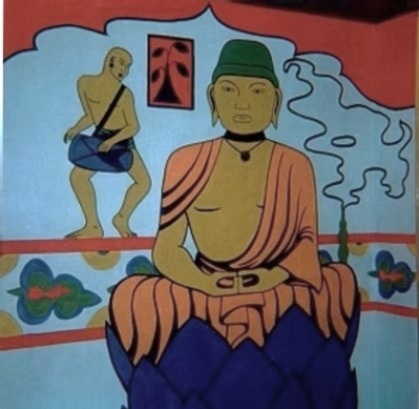
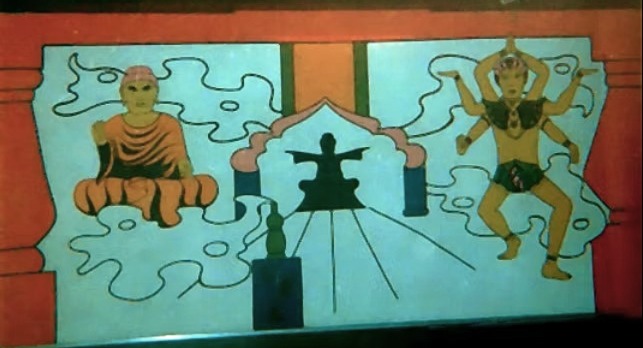
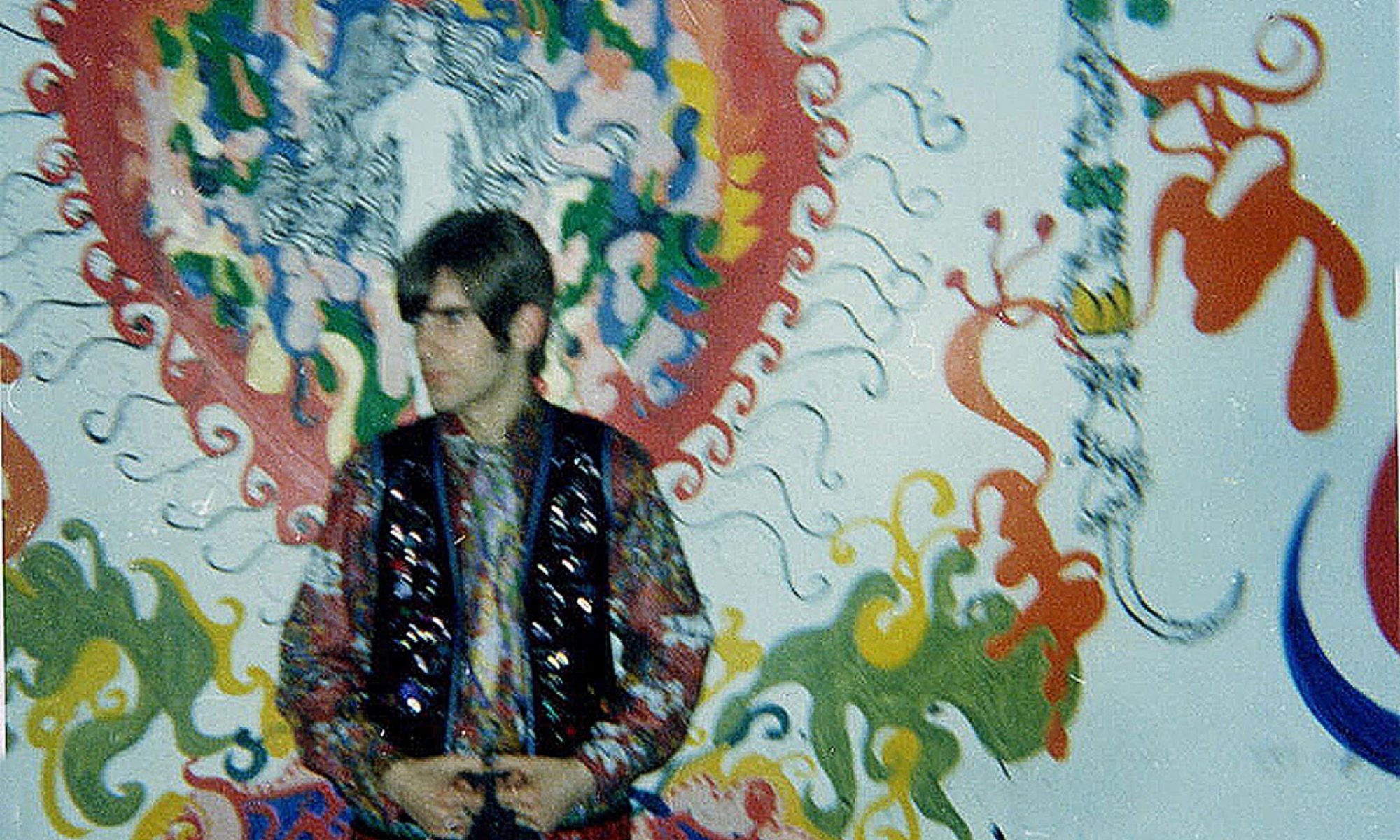
“But Peter, I’ve never painted a mural before….!”
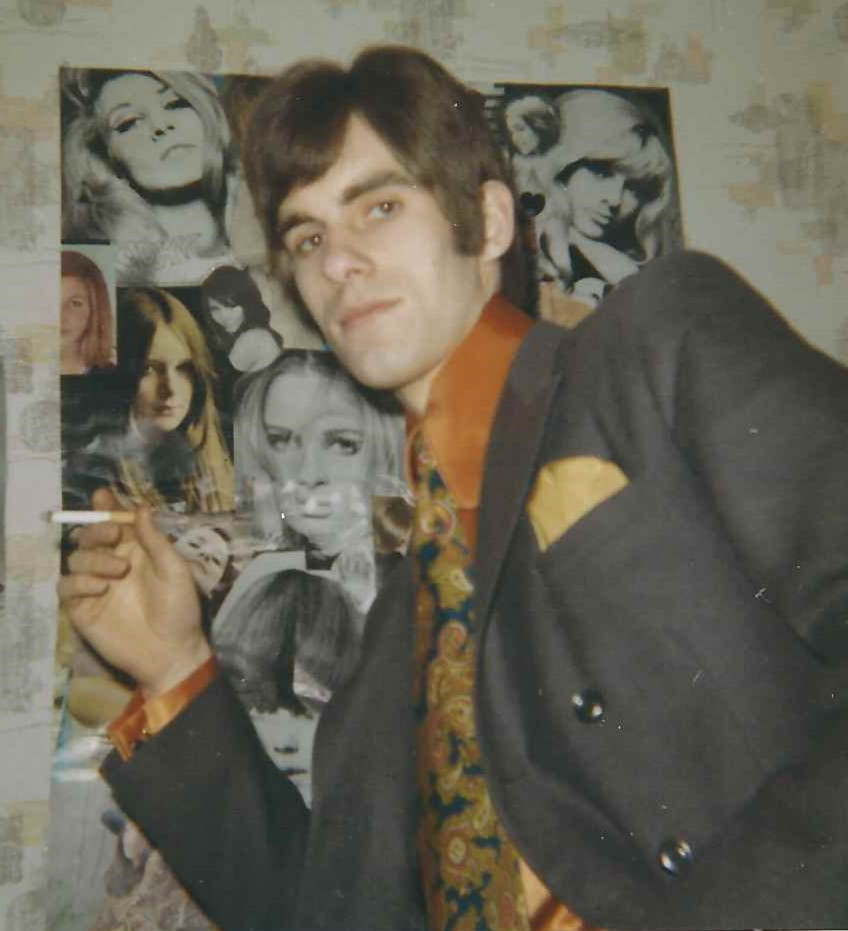
Paul Norton remembers some Mojo memories.
I first started going to the Mojo from 1964 onwards. In 1965 I was Assistant Display Manager at C&A Modes on the High Street. This meant that on Mojo nights I stayed in Sheffield after work. So instead of travelling home to Chesterfield I got changed at work, had something to eat in the city centre, before getting the bus up to Pitsmoor.
Those Mojo years were quite something. The club was quite unique compared to a lot of other venues at the time and the atmosphere was amazing. The latest and best music, both recorded and live was played there, which included Soul, R&B, Blues, Rock, Ska, and Reggae to name a few. The sometimes hot and sweaty club became a temple of cool for the fashionably dressed dancers. Latest sounds, latest fashions. Even the walls of the club were decoratively repainted every year picking up on various latest visual and social trends.
Besides getting to know some of the growing hordes of club regulars, I also got to know the people who ran the Mojo, like Peter, Geoff and Paul Stringfellow, their Mum Elsie who took the ticket money and of course some of the club doormen like Johnny Hackett and ‘Big’ Brian Turner.
At some point in 1966 (for reasoning I can’t remember!) I decided to draw a portrait for Peter’s up and coming birthday which was in October. I asked Geoff if I could borrow any photos of Peter to work from. He agreed and showed me where the Mojo photos were kept. This turned out to be a visual treasure trove in a large filing cabinet they had in the club office, full of mainly black and white 10” by 8” photo prints.
As far as I can remember it contained all manner of images including ones of the many groups and singers who performed there, the Stringfellows, the club, the club crowds and dancers. (as a slight digress to this narrative, I have to mention that after the Mojo closed and in the many years after, no one I asked including Peter, quite seemed to know where all these photos went to. What a loss!)
Anyway, I completed the pencil portrait and gave it to Peter for his birthday. He was quite surprised and pleased to receive it. This memory may well have been somewhere in his mind at the time when in early 1967 he asked me to paint some club murals. I was very flattered but had reservations.
The following (short) conversation went something like this:- to which I replied “But Peter I’ve never painted a mural before. I don’t think I can do it”.
“But you can draw and your job is quite artistic isn’t it”.
“Yeah, but….”
“You’ll be ok man. Look what I’m wanting is some Indian mysticism, some buddhas and some psychedelic designs…….”.
The rest is as they say, is history. Well social history anyway. So I joined the three art school ladies Sue Barfield, Julie Shrivastava and Allanah Hatfield in creating the wonderful 1967 murals. These turned out to be the last Mojo murals as the club sadly closed in October that year. Many agree it was forced to close, but that is another part of the Mojo story.
One of the legacies from the Mojo for me is that after not painting murals before 1967, I then made up for time. I painted some for the C&A boutique section called The In Shop. I later painted the Down Broadway and The Penthouse for the Stringfellows, the Ark Club in Sheffield, Charade Nightclub in Rotherham, the Broken Wheel in Retford, the Victoria Ballroom Chesterfield, the Bin Lid Club Dewsbury and other shops, restaurants and houses.
As for my Mojo mural companions, I know that sadly Sue passed a few years ago. If Allanah and Julie are out there somewhere it would be great if you could get in touch with Neil Anderson through the contacts for the Mojo Rising Project. There is another Mojo mural to be done for the project!
Long live the King Mojo.
MOJO HOWLIN’
By Dave Manvell
Windrush Generation
As a small child, my first introduction to black music came in Crookes Valley Recreation Ground on Sunday afternoons. Near the boating lake is quite a steep grassy bank which runs up to the back of the houses on Harcourt Road. Quite a few members of the Windrush generation lived in these houses. For them, a quick hop over the garden wall gave them access to the bank.
It was here that I first heard calypso and gospel music being sung and played by people with guitars. I was fascinated, and Mum explained who they were and the music they were playing.
My second encounter with calypso was on television in the 1950s. At that time there was an early evening news programme, Tonight with Cliff Michelmore. On the programme was a black singer called Cy Grant, who sang calypso songs made up from the day’s news stories.
The final thing that gave me a love of black music was the 1964 Blues and Gospel Train, recorded by Granada TV at a disused railway station in Manchester. Many of the artists featured on that tour would play in small clubs on their nights off. Peter and Geoff, much to my delight, started hiring these guys to play at the Mojo. I couldn’t quite believe it when they booked Howlin’ Wolf to appear. Just amazing!
Howlin’ Wolf
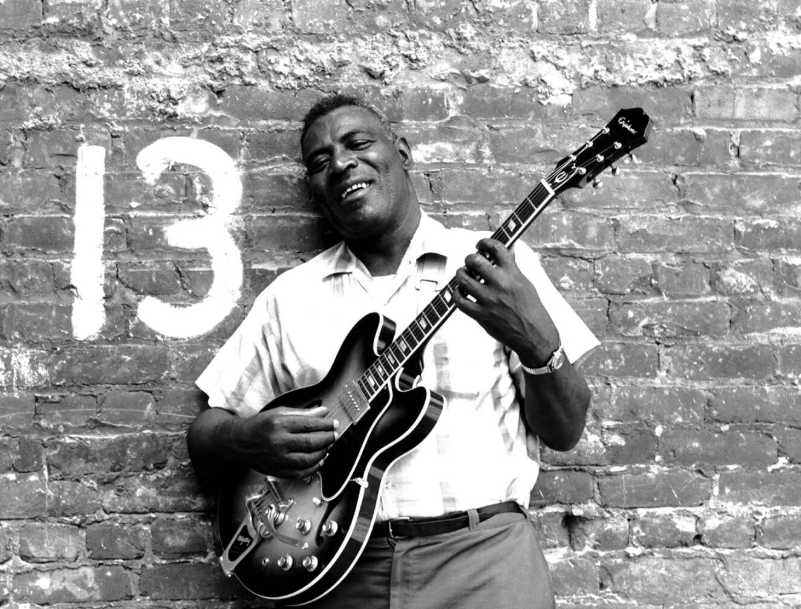
Chester Arthur Burnett (1910–1976) was born at White Station, Mississippi. He was named after former US President Chester A. Arthur and was given the nickname “Wolf” at the tender age of four after his grandad told him tales of Little Red Riding Hood and the Big Bad Wolf.
When he wasn’t working on his father’s farm, he was serving his blues apprenticeship, travelling throughout the Mississippi Delta alongside legendary musicians such as Son House and Willie Brown, during the same era as Robert Johnson. The early British blues boom of the 1960s gave Wolf the chance to tour the UK.
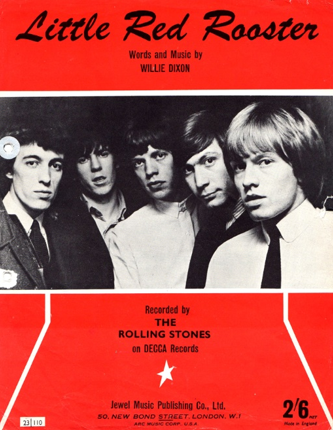
His single Smokestack Lightning was released in the UK, and The Rolling Stones brought him to a much wider audience with their version of Little Red Rooster.
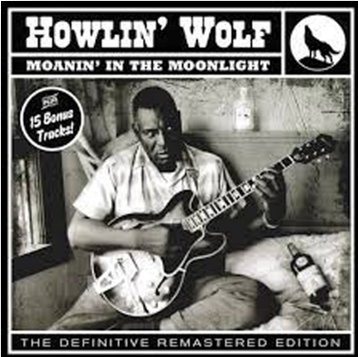
Wolf had a very distinctive way of singing and performing his songs. His voice combined falsetto wails, growls and moans unlike anything else. During his stage act he would often get down on all fours like a wolf while singing Moanin’ at Midnight, and during Crawlin’ King Snake he would slither and slide his way across the stage. At the Mojo he even treated us to his impression of Little Red Rooster.
He was hugely popular with British blues artists, and many of them covered his songs. The album The London Howlin’ Wolf Sessions features some of Britain’s finest blues musicians, with Clapton and company reportedly finding it difficult to match Wolf’s unique timing and feel. Guess who was the real star of that album.
Peter invites parents to the club
During the mid-1960s, teenage clubs were often viewed with suspicion by parts of the press and older generations. Concerns about beat music, fashion and changing social attitudes frequently made headlines, and television documentaries often focused on the more sensational aspects of youth culture.
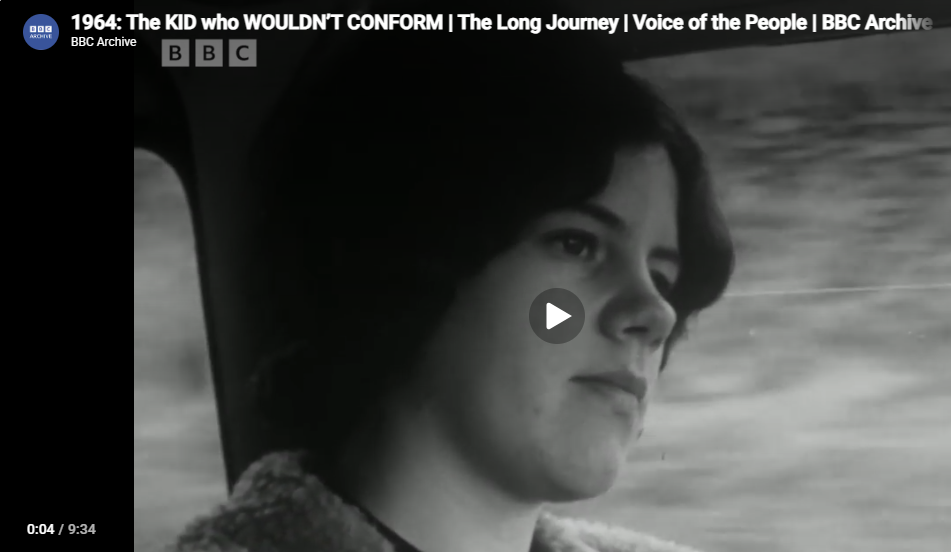
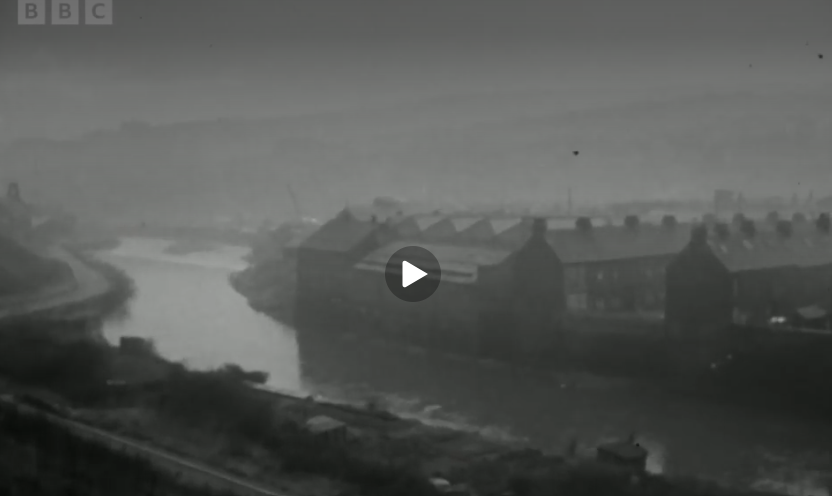
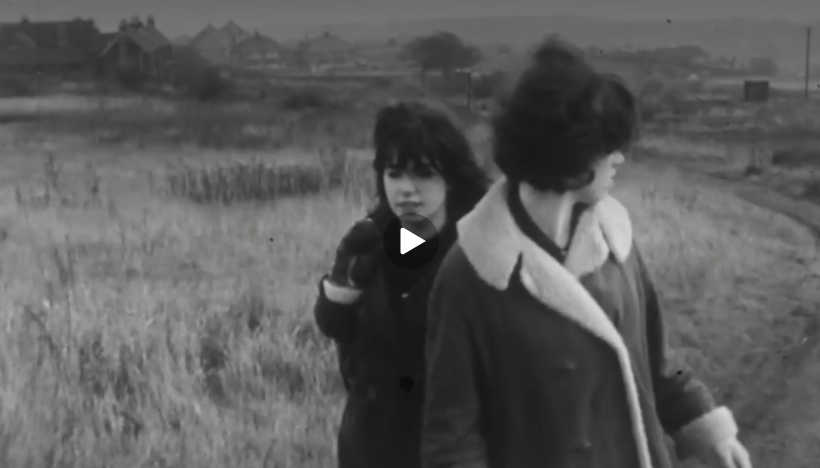
When the BBC’s The Long Journey portrayed Sheffield’s young people in what Peter Stringfellow believed was an unfair and unrepresentative way, he decided to fight back. Confident that the King Mojo was a safe, well-run venue, he invited parents to visit the club and judge it for themselves.
Dave Manvell recalls the situation:
Infuriated by the sordid picture of Sheffield teenagers depicted in a recent BBC television documentary, Peter Stringfellow issued an invitation to parents to attend an open night at the King Mojo so they could see for themselves that everything was above board.
He said that the documentary showed both the city and its inhabitants in the worst possible light.
“I was horrified by the beatniks and scruffy teenagers who were selected for interview from coffee bars and clubs in Sheffield,” said Peter.
“The producers of the film seemed to have deliberately chosen the worst types and painted the worst possible picture of Sheffield teenagers.
“The club shown in the film was not one of mine, and I happen to know it is a perfectly respectable club.
“Every teenage club in Sheffield is attended, for the most part, by decent, fun-loving youngsters who love dancing and rhythm and blues, but you wouldn’t think so from the film.”
The documentary, The Long Journey, depicting modern youth on the move, was shot in Sheffield and four other cities.
Dinky Dawson
Few people captured the colourful spirit of the King Mojo quite like Dinky Dawson. A close friend of Peter Stringfellow and Geoff Stringfellow, Dinky became one of the club’s best-known personalities before embarking on an extraordinary career in the music industry. Here, Dave Manvell recalls the larger-than-life character who became a familiar face at the Mojo.
Dinky & Peter Go Fishing
Fondly remembered by the fishermen of Bridlington.
They had legendary exploits in the harbour in the hired rowing boat, as they negotiated their way out to sea through the harbour entrance.
Flamboyant
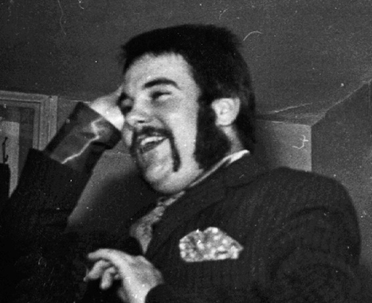
A larger-than-life personality, Dinky was flamboyant both in dress and appearance, at one time sporting a magnificent Mandarin moustache.
He held the exalted position of being one of Peter’s trusted helpers and, in Peter’s absence, would spin the records in his own indomitable style.
In Dinky’s autobiography, A Life on the Road, he recalls arriving at the Mojo one evening and handing his coat to the young blond man working in the cloakroom. He recognised him as the lead singer with Shotgun Express – Rod “The Mod” Stewart.
Rod explained to Dinky that he was working in the cloakroom because it gave him the perfect opportunity to admire all the pretty girls as they came into the club.
Dinky later went on the road as a sound engineer with Fleetwood Mac and enjoyed countless adventures, both in Britain and the USA, working with many of the biggest groups of the era. His autobiography recounts these remarkable stories and is well worth reading.
He eventually settled in the United States, where he designed the revolutionary Acoustic Suspension Music Reproduction System, helping to transform live concert sound.
Flower Child Dinky
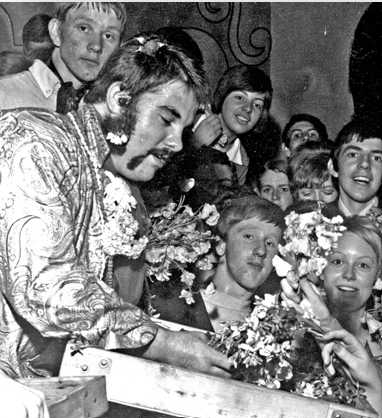
During the Summer of Love, Dinky could often be found handing out flowers to the Mojo audience.
Dressed in a kaftan with bell-bottom jeans decorated with dozens of tiny bells sewn around the hems, he jingled wherever he walked.
The owners of Mace’s Pet Shop in Sheffield Market couldn’t understand why so many young people suddenly wanted to buy the little brass bells they normally sold for pet collars. They stocked boxes of different sizes, starting at just one penny each.